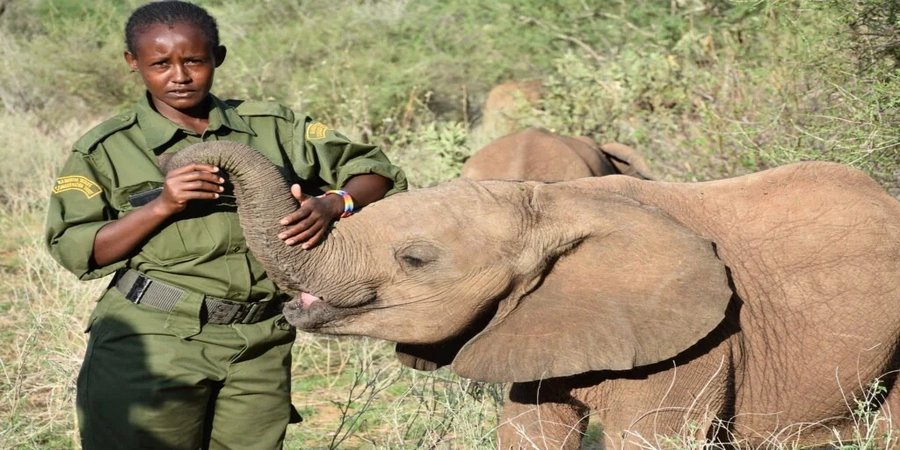
Rangers are the first line of defense for Africa’s unique wildlife and ecosystems all over the continent. Their patrols protect elephants, rhinos, lions, and many other species that are important for biodiversity, climate resilience, and the carbon economy. These species live in dense forests, vast savannahs, and fragile coastal wetlands.
Africa’s rangers are very important, but they don’t have enough resources. Only about 65,000 rangers are currently working on the continent. This is far fewer than the 345,000 needed to meet global biodiversity goals, such as the 30×30 target to protect thirty percent of land and sea by 2030. Less than 300,000 rangers work around the world, but by the end of the decade, 1.5 million will be needed. This shows how big the problem is.
There are very high risks in this job. The most rangers in the world died on duty in Africa between 2006 and 2021, with almost 600 deaths. But less than 40% have life insurance, and only 60% get basic medical care. Unsafe working conditions, a lack of recognition, and not enough training continue to make it hard to hire and keep employees.
The Ranger Welfare and Standards Initiative, which started in 2024, is meant to deal with these problems. Key steps include increasing insurance coverage through RangerProtect, improving pay and benefits, doing audits of protected areas, strengthening leadership and mentorship, and raising awareness through events like the Wildlife Ranger Challenge, which has helped over 11,000 rangers and raised more than $20 million.
Experts say that protecting Africa’s natural heritage and protecting rangers go hand in hand. To make ranger jobs more appealing and sustainable for young Africans, governments, donors, NGOs, and conservation groups are being asked to raise welfare standards, make sure rangers get fair pay, and give them professional recognition.
As wildlife faces more and more threats from habitat loss, climate change, and conflicts between people and animals, the continent’s biodiversity can’t survive without a well-trained and well-supported ranger workforce. To protect Africa’s ecosystems and the people who depend on them, it is important to protect those who protect nature.