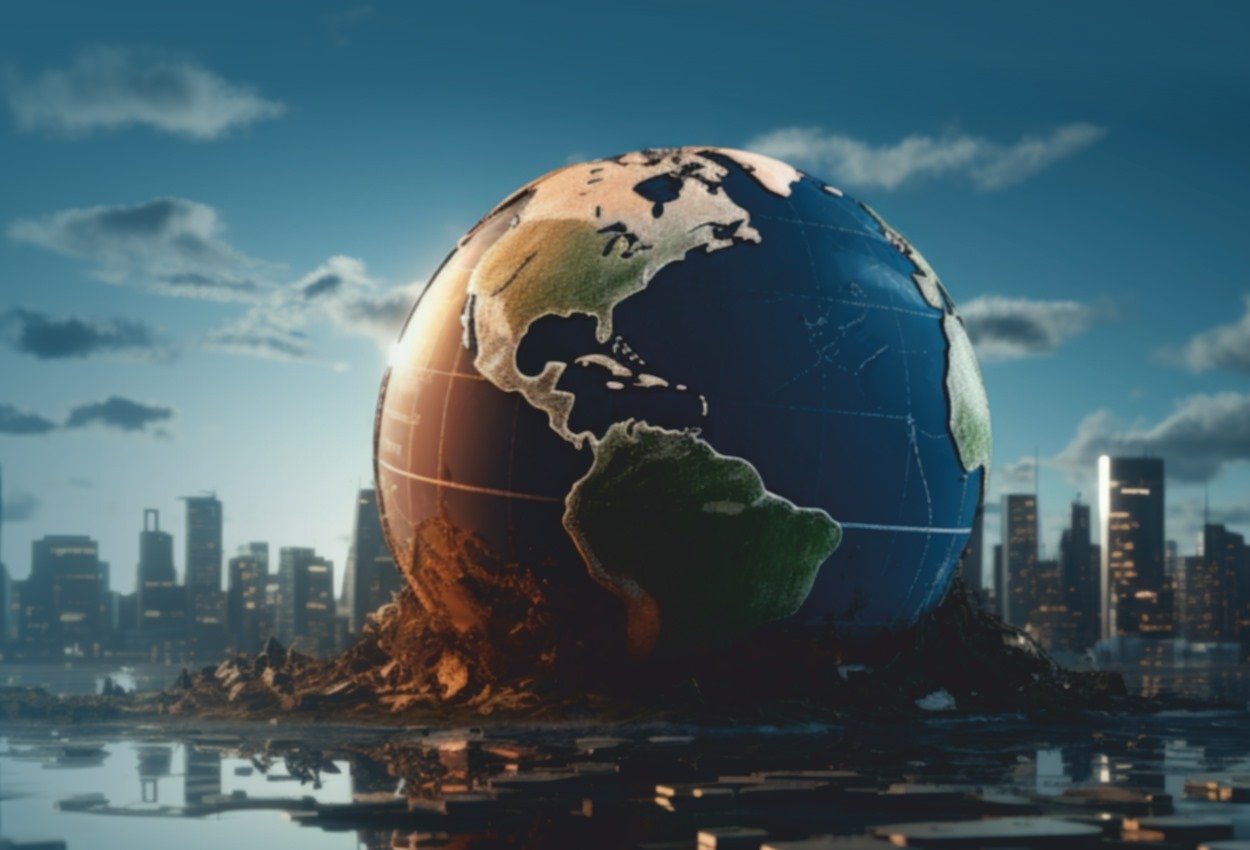
One of the biggest problems we face right now is the global goal of net zero. Countries all over the world are changing their energy systems, industries, and policies to cut down on greenhouse gas emissions. This is happening in both busy industrial economies and developing countries that want to grow. Net zero, which means balancing the amount of greenhouse gases that are released into the air with those that are taken out, is no longer just a dream. It is a must. As the effects of climate change get worse and scientists’ warnings get more serious, countries are entering a new era of responsibility, creativity, and working together to create a carbon-neutral future.
The Changes in Climate Commitments
After the Paris Agreement in 2015, when countries agreed to keep the rise in global temperatures to well below two degrees Celsius above pre-industrial levels, the idea of net zero became very important. Since then, climate promises have changed from vague promises to clear national goals backed by policies, investments in technology, and partnerships between the public and private sectors.
Countries like the UK, Japan, and Canada have made their net-zero goals law, giving clear deadlines for cutting carbon emissions by the middle of the century. The European Union has gone even further by including climate neutrality in its Green Deal and using carbon pricing and innovation funds to speed up progress. At the same time, developing economies are connecting their climate goals with ways to achieve long-term growth. They are asking richer countries for climate finance and technology transfer to help them make the transition.
It’s no longer just a matter of moral duty to race to net zero. It has become a matter of how competitive the world is, how strong the economy is, and how much power a country has in the world.
The Function of Technology and Innovation
Every good net-zero plan has technology at its core. Renewable energy used to be thought of as expensive and unreliable, but now it is the main source of energy for national transitions. Solar and wind power are growing at an unprecedented rate, thanks to new developments in battery storage, hydrogen fuel, and smart grids.
As countries look for ways to cut down on emissions from hard-to-abate sectors like cement, steel, and aviation, carbon capture, utilization, and storage technologies are becoming more popular. At the same time, artificial intelligence and digitalization are making energy management smarter by making everything from industrial processes to city transportation run more smoothly.
But innovation isn’t just about technology. Policy innovation is just as important. To get people to invest in low-carbon industries, governments are offering tax breaks, green bonds, and carbon markets. At the same time, they are making environmental rules stricter to encourage businesses to make cleaner products and be more open about their supply chains. How quickly these new ideas spread across borders and industries will determine how well net zero works.
The Problems That Lie Ahead
Even though things are moving in the right direction, the road to net zero is not easy. A lot of countries still depend on fossil fuels, and the global energy crisis has shown how weak energy security is during times of change. There is also a big difference between making long-term promises and taking short-term action.
Some promises don’t have clear plans for how to carry them out, and others rely too much on technologies or offsets that haven’t been tested yet. For net-zero goals to be taken seriously, there needs to be openness, clear goals that can be measured, and the ability to hold both governments and businesses accountable. Also, political instability, economic uncertainty, and public resistance to quick change can all slow down progress.
Leadership will be very important in order to get past these problems. Governments need to make sure that their rules are always the same and that they support new ideas and investments. Sustainability needs to be a part of the main business plans of private companies. People need to be involved in climate solutions by being aware of them, learning about them, and being able to take part in them.
A Common Goal for the Future
The race to net zero isn’t a real competition. It is a journey together toward survival and new life. Nations that can balance economic growth with social justice and environmental responsibility will own the future. To get to this point, you need to have a clear vision, work together, and stay committed.
The changes that are coming will change industries, change energy systems, and change how societies work. It will also lead to new ways for countries to work together, as they realize that keeping the climate stable is a goal that goes beyond borders. Every promise made today makes tomorrow safer and more stable.
Final Thoughts
As the world moves toward net zero, one thing is clear: this is not just a technical change; it is also a moral and strategic necessity. Countries are changing their ideas about what progress means, welcoming new ideas, and changing the rules for global development. You will need the courage to make tough decisions, the wisdom to work with others, and the foresight to make sure that no one is left behind.
Read Also: Beyond Fossil Fuels: New Ideas That Are Helping the Shift to Renewable Energy